
EV Charger
Looking for the best EV charger for your home to charge faster, smarter, and more efficiently?
A high-quality home EV charger is the key to safe, reliable, and convenient electric vehicle charging—giving you full control over when and how your vehicle is powered.
We offer a premium range of high-performance EV chargers designed for long-term durability, fast charging speeds, and seamless compatibility with solar power systems and home batteries. Our EV chargers deliver advanced safety protection, smart energy management, and real-time monitoring—so you can charge with confidence and convenience.
Every EV charger we supply is engineered for tough Australian conditions and delivers:
Faster and safer charging than standard power points
Smart scheduling and energy monitoring
Solar-compatible charging to maximise self-consumption
Long-term reliability and performance
Lower charging costs and improved efficiency
No complicated setup. No hidden extras. Just high-quality EV charging solutions built to deliver safe, consistent, and intelligent charging every day.
Whether you’re installing your first home EV charger, upgrading to a smarter charging system, or integrating EV charging with solar and battery storage, our range of premium EV chargers provides the safety, efficiency, and convenience you need for a future-ready home.
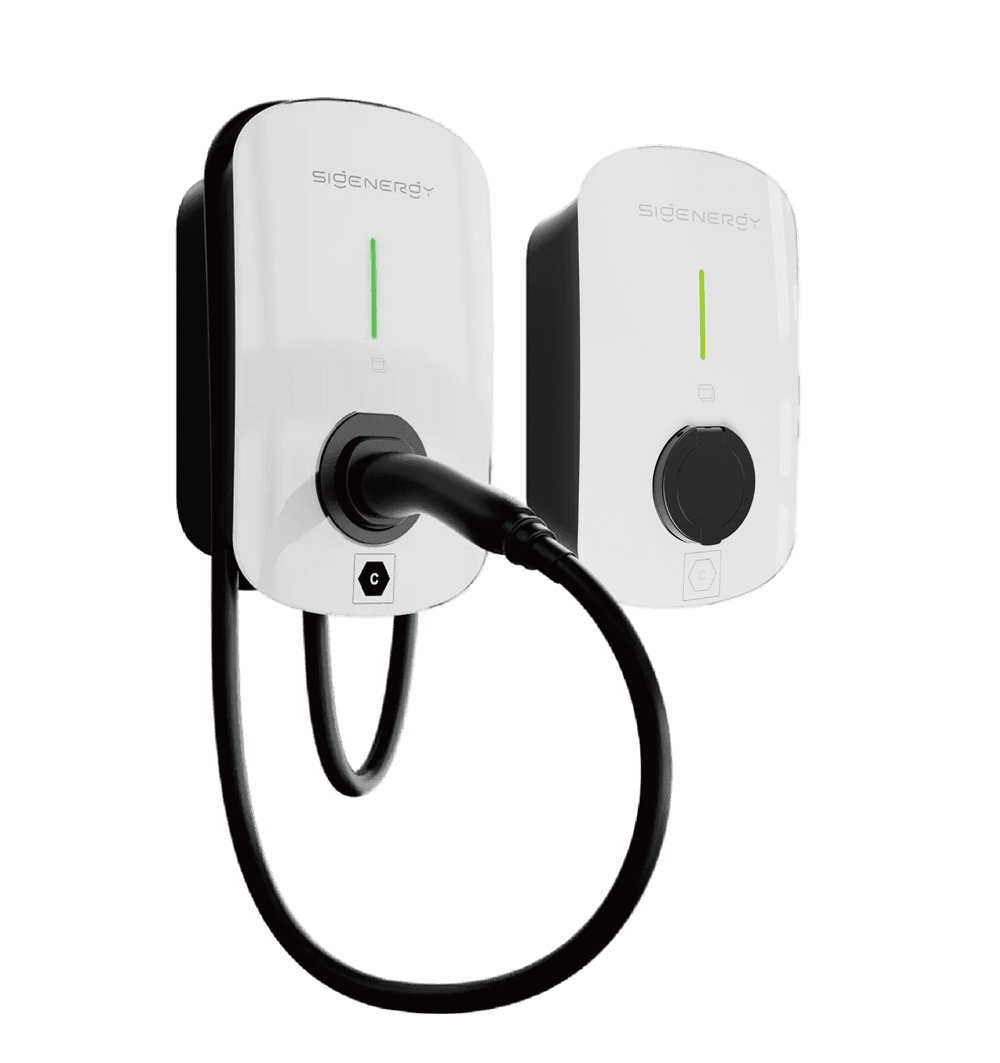
Popular EV Charger Brands We Use
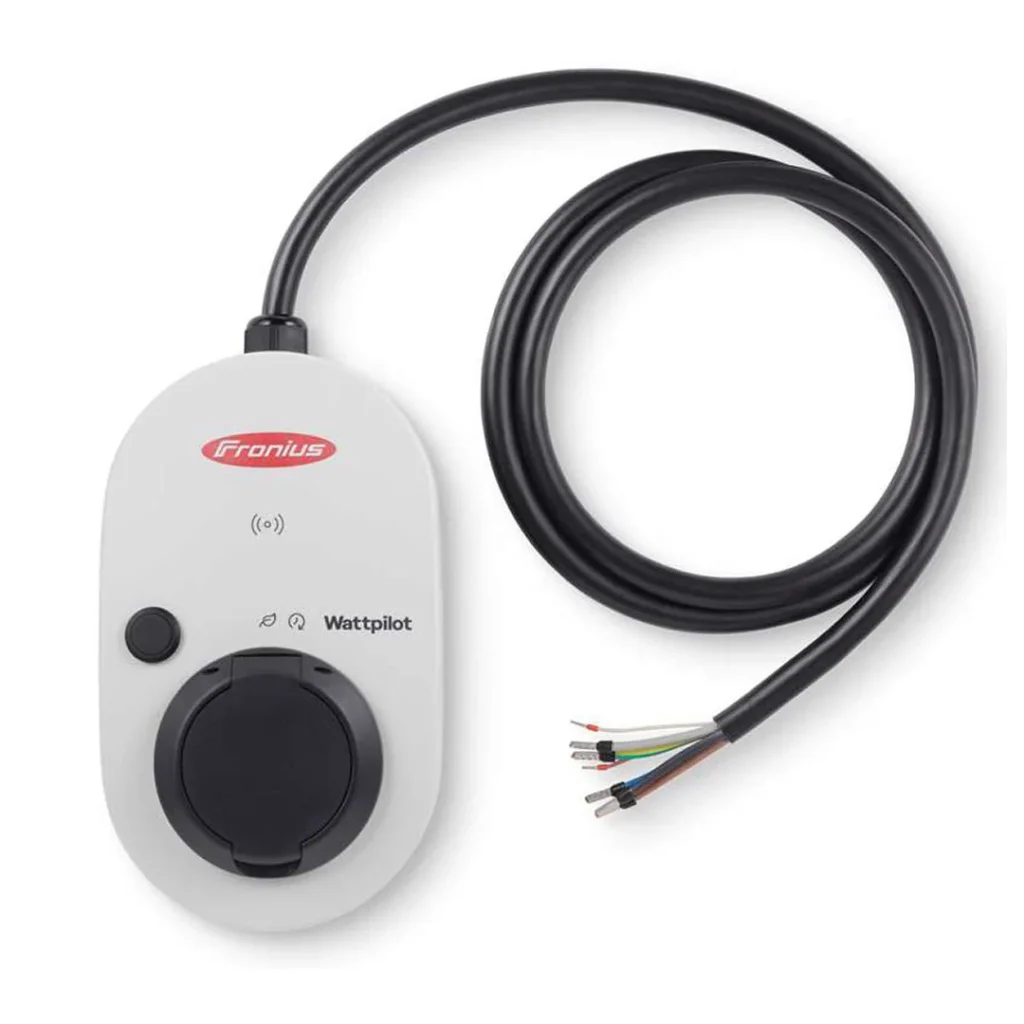
Fronius
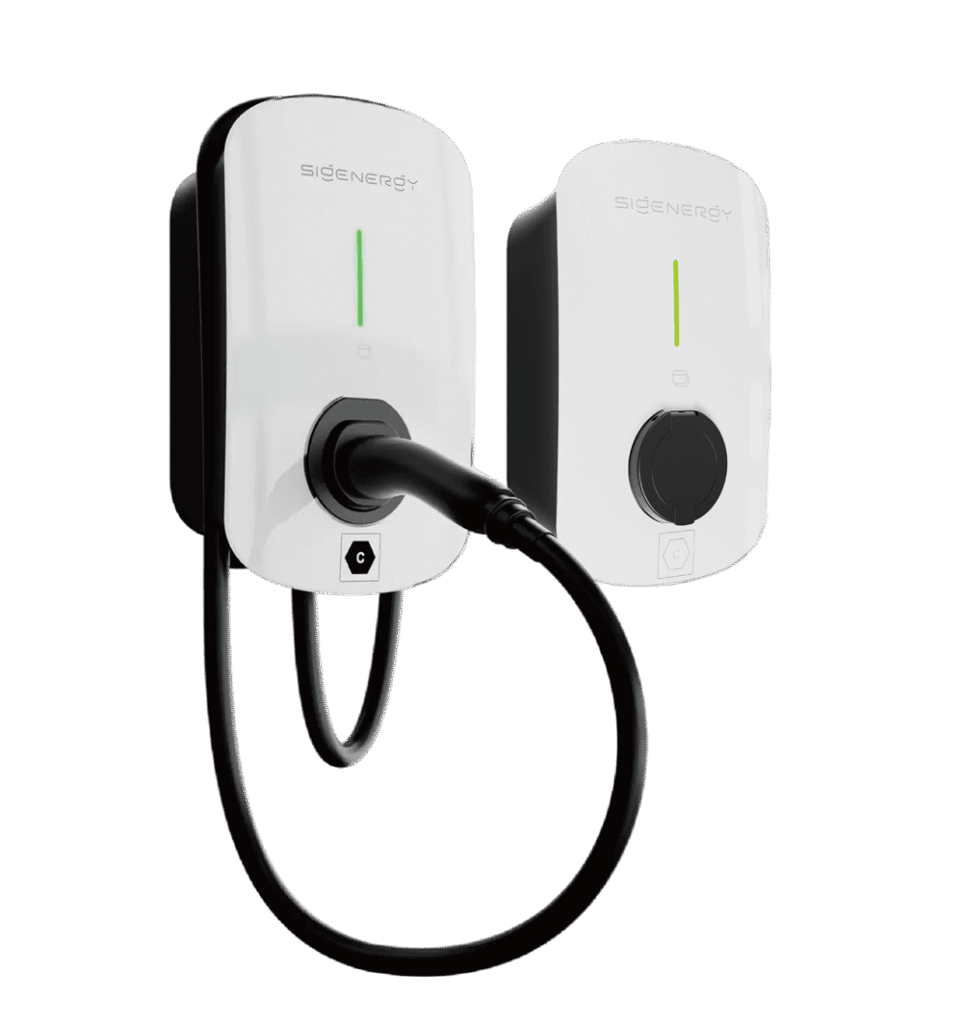
Sigenergy
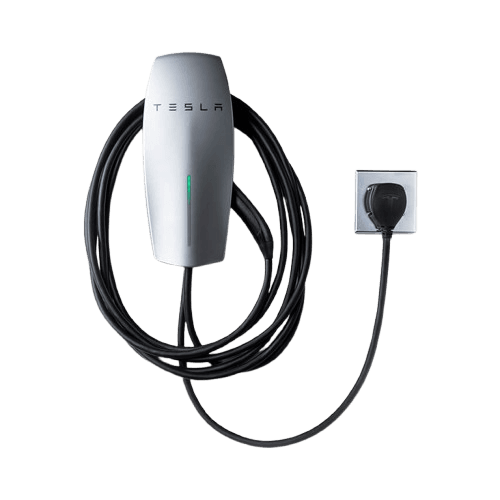
Tesla
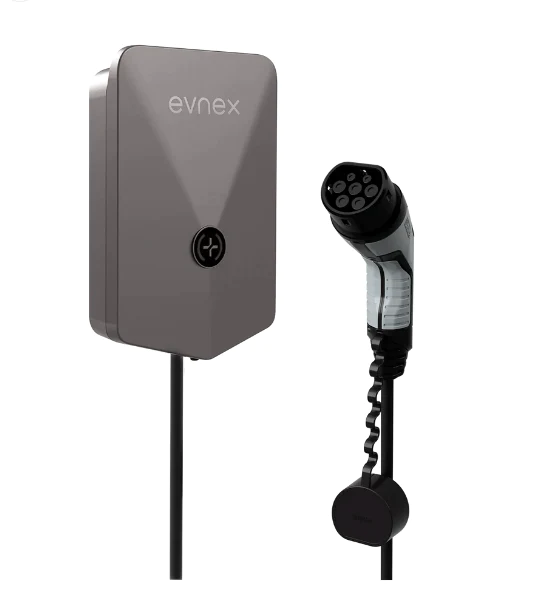
ENVEX
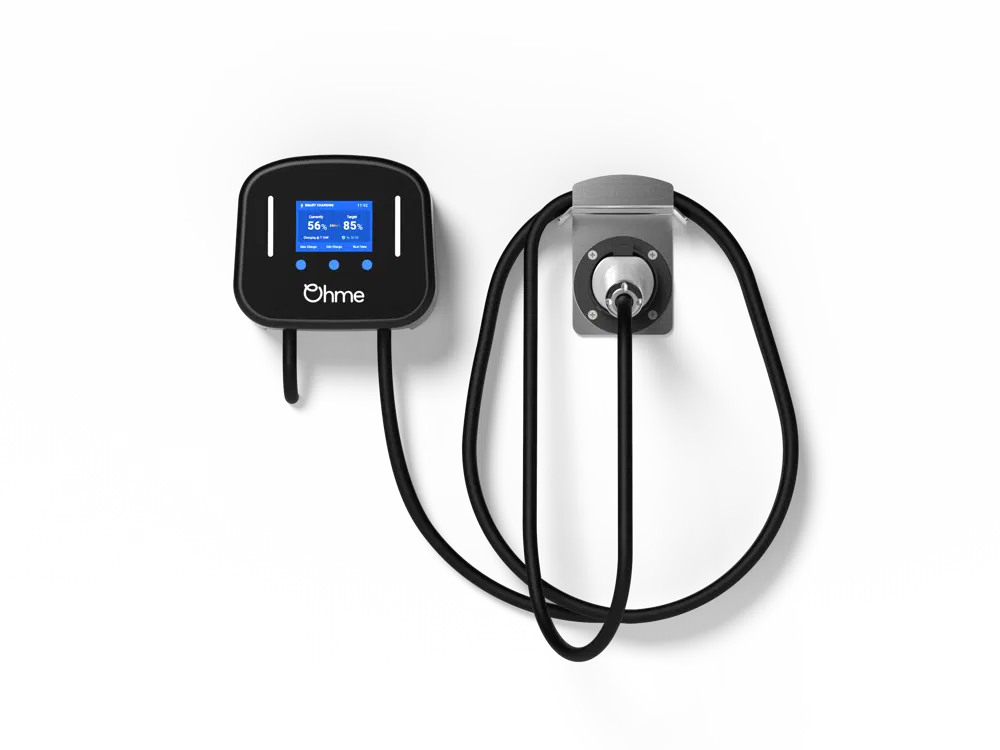
Ohme Home Pro
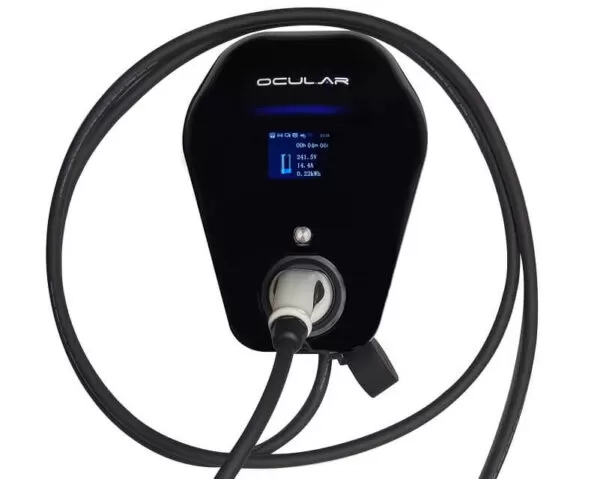
Oculer
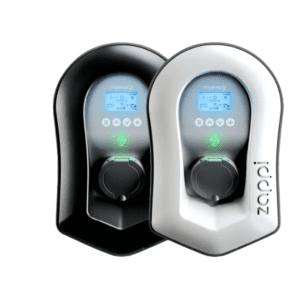
zappi
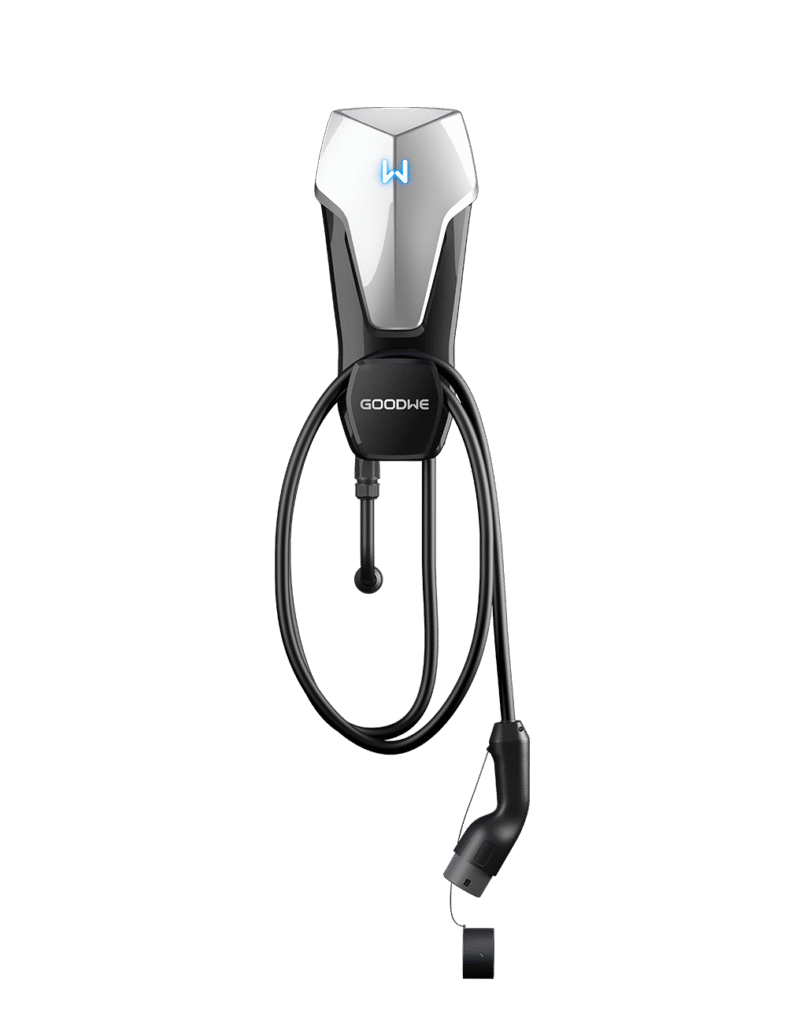
Goodwe
What to Consider When Buying Solar Batteries
Choosing the right EV charger for your home ensures faster charging, improved safety, and lower long-term running costs. Before making a decision, consider the following key factors:
1. Charging Speed & Power Output
EV chargers come in different power ratings, typically ranging from 7kW to 22kW. The right charging speed depends on your vehicle, daily driving habits, and your home’s electrical capacity.
Tip: A 7kW charger is ideal for most residential homes.
2. Vehicle Compatibility
Ensure the EV charger is compatible with your electric vehicle’s charging port and standards. Most modern chargers support Type 2 connectors used by popular EV brands.
3. Solar & Battery Integration
If you have solar panels or plan to install them, choose a charger that supports solar-optimised charging. This allows you to charge your vehicle using excess solar energy and reduce grid electricity usage.
4. Smart Features & Monitoring
Smart EV chargers offer mobile app control, scheduling, energy monitoring, and load management—helping you charge during off-peak times and avoid overloading your home’s electrical system.
5. Safety & Compliance
Look for chargers with built-in safety protections such as:
Overcurrent protection
Earth leakage detection
Surge protection
Professional installation ensures compliance with Australian electrical standards.
6. Installation Requirements
Your home’s electrical setup may affect charger selection. Factors such as switchboard capacity, cable distance, and three-phase availability should be assessed by a qualified installer.
7. Future-Proofing
If you plan to add solar batteries or upgrade your EV, choose a charger that supports future expansion and higher power output.
8. Warranty & Brand Reliability
Choose EV chargers from trusted manufacturers with strong warranties and local support to ensure long-term reliability and peace of mind.
What Our Customers Say
Trustindex verifies that the original source of the review is Google. Belal got it done. Clean and simple.Posted on GoogleTrustindex verifies that the original source of the review is Google. Did a great job for my home energy! Amazing service, many friendly employees! I will be recommending this business to more friends in the future!Posted on GoogleTrustindex verifies that the original source of the review is Google. good people, good products and professional work!Posted on GoogleTrustindex verifies that the original source of the review is Google. More than wonderful, good work and excellent staffPosted on GoogleTrustindex verifies that the original source of the review is Google. I have had the pleasure of dealing with Bilal from Solar Clean Energy and found his work exceptionally good. He is professional, efficient and offers top-notch quality at a reasonable price. Customer service is excellent. He has a wealth of knowledge in this field, gives honest advice, tailored to your specific needs and requirements. Highly recommended. FerozPosted on GoogleTrustindex verifies that the original source of the review is Google. Hi The best service and the best job he did for us ,the owner for the company is very good mate, I recommend for anyone this company ,,💯💯👍👍Posted on GoogleTrustindex verifies that the original source of the review is Google. My experience with Solar Clean Energy was very good 1 They use quality materials 2 Best workmanship by very experienced trade peoplePosted on Google
Smart Buying Guide: How to Choose the Right EV Charger for Your Home

What type of EV charger is best for home use?
A Level 2 home EV charger (typically 7kW) is the most popular choice for residential use. It offers faster charging, better safety, and greater efficiency compared to a standard power point.
How fast can a home EV charger charge my car?
Charging speed depends on the charger’s power output and your vehicle’s onboard charger. A 7kW home EV charger can fully charge most electric vehicles overnight, making it ideal for daily use.
Is my electric vehicle compatible with all EV chargers?
Most modern EVs in Australia use Type 2 connectors, which are supported by the majority of home EV chargers. Always check vehicle compatibility before choosing a charger.
Can I charge my EV using solar power?
Yes. Solar-compatible EV chargers allow you to charge your vehicle using excess solar energy, helping reduce electricity costs and maximise renewable energy usage.
Do I need a smart EV charger?
Smart EV chargers provide app control, charging schedules, energy monitoring, and load management. These features help optimise charging times, avoid electrical overload, and reduce energy costs.
What electrical upgrades are required to install an EV charger?
Installation requirements depend on your home’s switchboard capacity, wiring, and whether single-phase or three-phase power is available. A licensed electrician will assess your setup before installation.
Is it safe to install an EV charger at home?
Yes—when installed by a qualified professional. Home EV chargers include built-in safety features such as overload protection, earth leakage detection, and surge protection to ensure safe operation.
Can I upgrade my EV charger in the future?
Yes. Many EV chargers are future-ready and support higher power output, solar integration, and battery systems—making upgrades easy as your energy needs grow.
How long do home EV chargers last?
High-quality EV chargers typically last 10–15 years, depending on usage and environmental conditions. Choosing a trusted brand with a strong warranty ensures long-term reliability.