
Solar batteries
Looking to add a high-quality solar battery to your home and finally enjoy true energy independence—day and night?
We provide a carefully selected range of industry-leading, high-performance solar batteries engineered for maximum storage capacity, reliability, and long-term efficiency. Each system includes all the essential components you need for a seamless, stress-free installation—no confusion, no hidden extras, just smart energy storage built to perform for years to come.
Whether you’re upgrading your existing solar system, preparing for blackout protection, or investing in a more efficient and self-powered home, our premium solar batteries deliver dependable backup power, improved energy savings, and the freedom to use your solar energy whenever you need it.
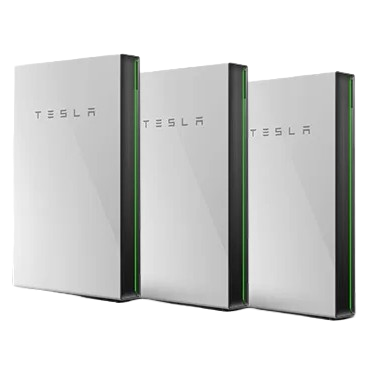
Popular Solar Battery Brands We Use
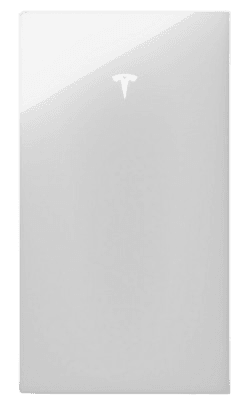
Tesla Powerwall
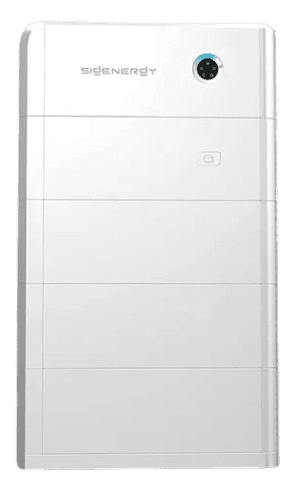
Sigenergy
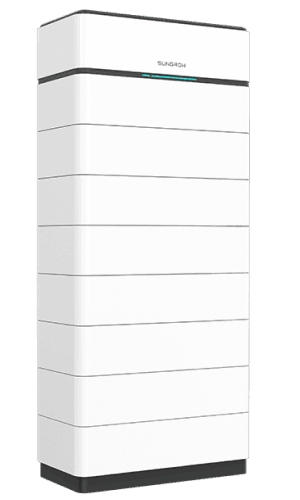
Sungrow
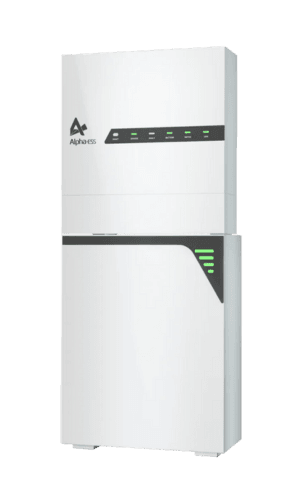
AlphaESS
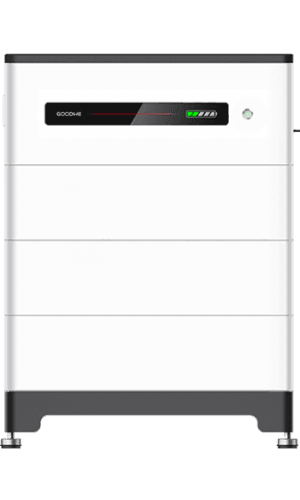
GoodWe
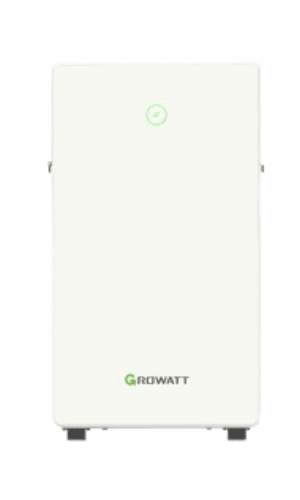
Growatt Battery
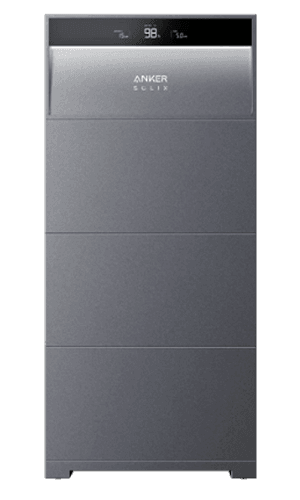
Anker

Neovolt
What to Consider When Buying Solar Batteries
Choosing the right solar battery is essential if you want to maximise energy savings, reduce grid reliance, and ensure backup during power outages. Here are the key factors to consider before investing:
1. Battery Capacity (kWh)
Battery capacity determines how much energy it can store.
Choose a size based on your usual evening/night electricity usage.
Common sizes range from 5 kWh to 15+ kWh, depending on home size and lifestyle.
2. Depth of Discharge (DoD)
DoD indicates how much of the battery can be used safely.
Higher DoD (e.g., 90–100%) means you can use more stored energy without damaging the battery.
3. Battery Chemistry
Most modern home batteries use Lithium Iron Phosphate (LiFePO4) due to safety, durability, and long cycle life.
Check battery type to ensure long-term reliability.
4. Round-Trip Efficiency
This measures how much energy you can use compared to how much was stored.
Higher efficiency = better performance.
Look for 90% or more.
5. Warranty & Cycle Life
A good solar battery should last 10–15 years with at least
6,000–10,000 charge cycles.
Always compare warranty terms—some cover only defects, not performance.
6. Backup Power Capability
Not all batteries provide blackout protection.
If backup power is important for your home, choose a battery system that supports off-grid or hybrid mode.
7. Compatibility With Your Solar System
Ensure the battery works seamlessly with your:
Existing inverter
Solar panel system
Monitoring apps
A compatible system reduces installation cost and improves efficiency.
8. Price vs. Long-Term Value
Cheaper batteries may have lower efficiency, fewer cycles, or weaker warranties.
Focus on the lifetime value, not just the upfront price.
Solar Battery vs Normal Battery
| Feature | Solar Battery | Normal Battery |
|---|---|---|
| Purpose | Designed for solar energy & deep cycling | Short-term backup or engine starting |
| Battery Type | Lithium-ion, Deep cycle lead-acid | Lead-acid, SMF, Automotive |
| Efficiency | High (up to 95%) | Lower (70–80%) |
| Lifespan | 8–15 years; 3000–6000+ cycles | 3–5 years; 500–1000 cycles |
| Backup Duration | Longer backup | Shorter backup |
| Deep Discharge Capability | Built for deep discharge | Not suitable for deep discharge |
| Maintenance | Low maintenance | Requires regular maintenance |
| Heat Tolerance | Better heat resistance | Sensitive to temperature |
| Cost | Higher upfront, long-term savings | Cheaper but needs frequent replacement |
| Ideal For | Homes with solar systems | Basic inverters & vehicles |
What Our Customers Say
Trustindex verifies that the original source of the review is Google. Belal got it done. Clean and simple.Posted on GoogleTrustindex verifies that the original source of the review is Google. Did a great job for my home energy! Amazing service, many friendly employees! I will be recommending this business to more friends in the future!Posted on GoogleTrustindex verifies that the original source of the review is Google. good people, good products and professional work!Posted on GoogleTrustindex verifies that the original source of the review is Google. More than wonderful, good work and excellent staffPosted on GoogleTrustindex verifies that the original source of the review is Google. I have had the pleasure of dealing with Bilal from Solar Clean Energy and found his work exceptionally good. He is professional, efficient and offers top-notch quality at a reasonable price. Customer service is excellent. He has a wealth of knowledge in this field, gives honest advice, tailored to your specific needs and requirements. Highly recommended. FerozPosted on GoogleTrustindex verifies that the original source of the review is Google. Hi The best service and the best job he did for us ,the owner for the company is very good mate, I recommend for anyone this company ,,💯💯👍👍Posted on GoogleTrustindex verifies that the original source of the review is Google. My experience with Solar Clean Energy was very good 1 They use quality materials 2 Best workmanship by very experienced trade peoplePosted on Google
Smart Buying Guide: How to Choose the Right Solar Batteries for Your Home

What size solar battery do I need for my home?
The ideal battery size depends on your daily energy usage, backup requirements, and whether you want partial or full home backup. Most homes use batteries between 5 kWh to 13 kWh, but larger homes may need more.
How long do solar batteries last?
On average, modern lithium-ion solar batteries last 10–15 years. Their lifespan depends on usage cycles, temperature, and the manufacturer’s warranty.
Which battery type is best—Lithium-ion or Lead-acid?
Lithium-ion batteries are more efficient, lightweight, and long-lasting, making them the preferred choice for most homes. Lead-acid batteries are cheaper but need more maintenance and offer shorter lifespan.
How long will a solar battery power my home during an outage?
It depends on the battery size and your energy consumption. A 10 kWh battery can typically power essential appliances (lights, fridge, WiFi, fans) for 8–12 hours.
Do solar batteries work at night?
Yes. Solar batteries store excess energy produced during the day and supply power at night when your panels aren’t generating electricity.
Is it possible to add a battery to my existing solar system?
Yes. Most systems can be upgraded with a compatible battery. Hybrid inverters or additional components may be required depending on your system’s configuration.
Are solar batteries worth the investment?
If you want backup power, lower electricity bills, and more energy independence, then yes—they are absolutely worth it. They offer long-term savings and reduce reliance on the grid.